Wooden boards and pieces — from chess sets to dominoes, backgammon checkers to carved miniatures — age differently than plastic or metal. With the right care, natural wood can last generations and develop a beautiful patina. With the wrong approach, you can strip finishes, warp wood, or encourage cracks and mold. This guide covers practical, safe techniques to clean, restore, and store wooden game components so they remain playable and attractive for years.
Basic principles first: keep wood dry but not bone-dry, avoid harsh chemicals, and test any product on an inconspicuous spot. Regular gentle maintenance prevents most problems; restorative work is needed only when pieces show stains, grime, or damage.
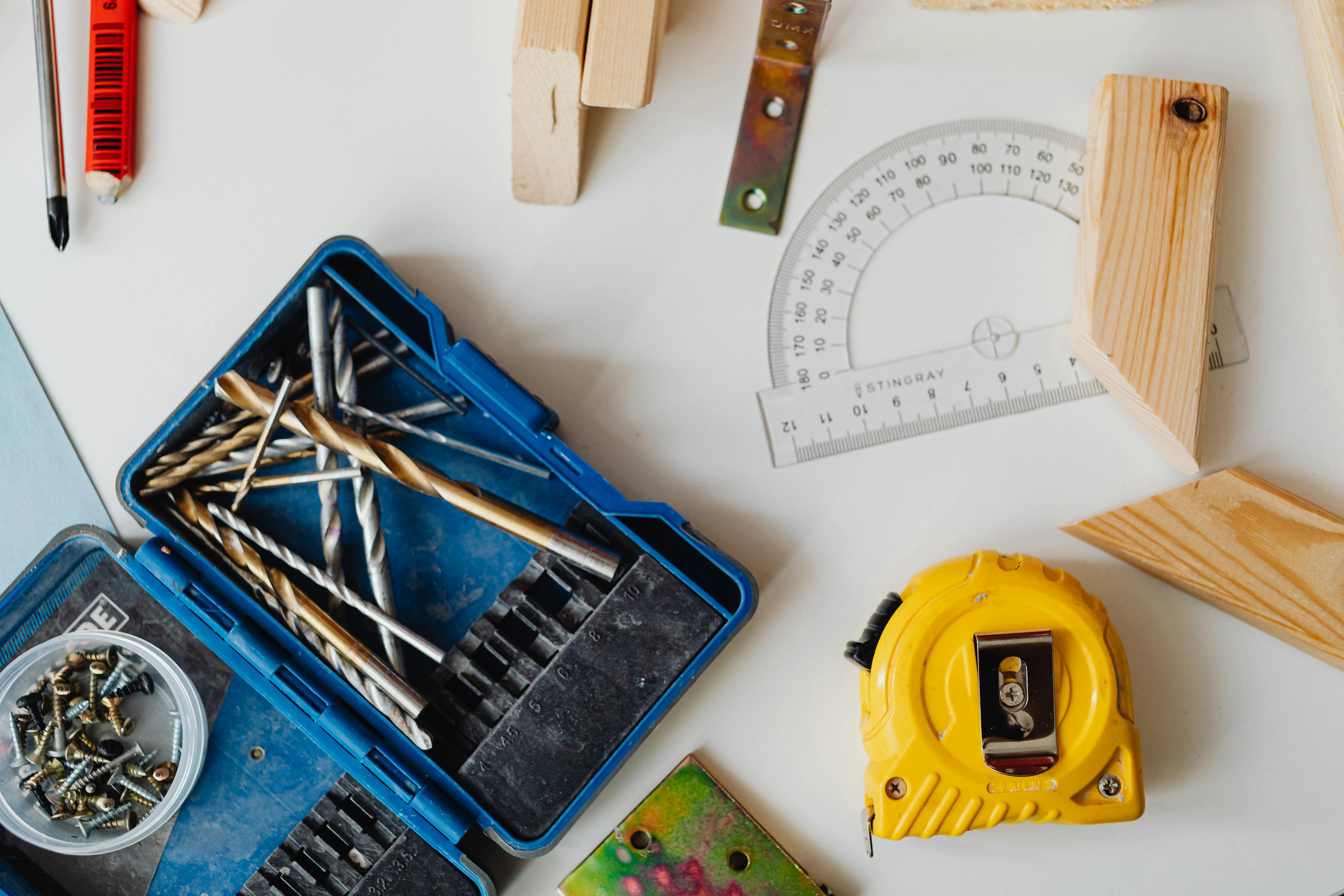
Cleaning: start with the least aggressive method. Use a soft brush or lint-free cloth to remove dust and debris. For surface dirt, a slightly damp microfiber cloth (water only) wiped quickly is often enough. For grease or fingerprints, mix a mild dish soap with water (one drop per cup) and lightly wipe with a damp cloth followed immediately by a dry cloth. Never soak wooden pieces or use a spray directly onto the wood; excess moisture causes swelling and separation.
Removing stains and ink: for ink or stubborn spots, try a cotton swab dipped in isopropyl alcohol, tested first in an unseen area. Work gently; alcohol can remove finish if overused. For dark tannin stains, a diluted solution of hydrogen peroxide applied with caution can help lighten the spot — again, test first. For mildew or mold, use a 50/50 mix of water and white vinegar on a cloth, dry thoroughly, and allow pieces to air in a dry location.
Restoring finish and small repairs: minor scratches and nicks often respond to a light application of a natural oil like mineral oil or a specialized board oil. Apply sparingly with a cloth and wipe off excess. For pieces with shellac or lacquer finishes, use products formulated for that finish only. If a finish is flaking or deeply damaged, consider consulting a professional restorer; full refinishing removes historical character and should be a last resort.
Repairing cracks and splits: small hairline cracks can be stabilized with a thin wood glue (PVA) injected carefully and clamped until dry. For antique or valuable sets, seek advice before gluing — improper repairs can reduce value. For felt bottoms coming loose, reattach with an appropriate adhesive and trim any excess once dry.
Sanding and refinishing: sanding is aggressive and removes surface detail and patina. Only sand when necessary and with very fine grit. After sanding, refinish with a compatible product (dye, oil, varnish) and allow ample curing time. Always sand with the grain and keep dust contained.
Oils and waxes: natural oils (mineral oil, tung oil) and beeswax blends nourish bare wood and offer mild protection. Use very thin coats, buffing between applications. Avoid vegetable oils (like olive), which can go rancid. Wax can give a pleasant sheen and is good for preserving playing surfaces; reapply sparingly.
Storage and environmental care: wood reacts to humidity and temperature. Store game sets in a stable environment away from direct sunlight and heat sources. Ideal relative humidity for hardwoods is roughly 40-55%. Use silica gel packets in sealed boxes to control moisture during travel or long-term storage. Avoid plastic bags for long-term storage; they can trap moisture. Consider cedar-lined boxes to deter pests, but be aware cedar oils can sometimes affect finishes over very long periods.
Transport and display: during travel, secure loose pieces in padded pouches or a lined case. For display, rotate pieces occasionally to avoid uneven fading from light exposure. Keep high-touch pieces accessible but out of direct sun.
Regular maintenance routine: dust monthly, oil or wax lightly every 6-12 months depending on climate and usage, and inspect for damage or loose components. For heirloom or collectible sets, document current condition with photos before and after any major work.
Supplies checklist: soft microfiber cloths, soft-bristle brush, cotton swabs, isopropyl alcohol, mild dish soap, mineral oil or board oil, beeswax polish, PVA wood glue, fine-grit sandpaper (320+), silica gel packets, padded storage box.
When in doubt, less is more. Gentle cleaning and careful observation will keep wooden game pieces both playable and beautiful. If a repair seems beyond basic glue or surface care, consult a professional conservator — especially for antique or valuable sets. With modest attention, wooden boards and pieces will reward you with decades of use and a rich character no synthetic material can match.



Great practical tips — I learned how to stop my chess pieces from drying out.
Helpful checklist for supplies. The storage tips saved my backgammon set during a humid summer.
Would love a follow-up post about restoring antique finishes safely.
The image alt text is perfect for accessibility; thanks for the thoughtful advice!
Chipped domino fixed with PVA glue as suggested — looks good as new.